11 Page Eleven
Reader Questions
Filed: FAQ
The questions we get asked
Everything our customers ask about waxing coarse, hormone-driven facial hair on PCOS-prone skin. Still stuck? The full walkthrough is above, and the PCOS Facial Hair Kit is the wax we reach for.
How do I wax my chin if I have PCOS?
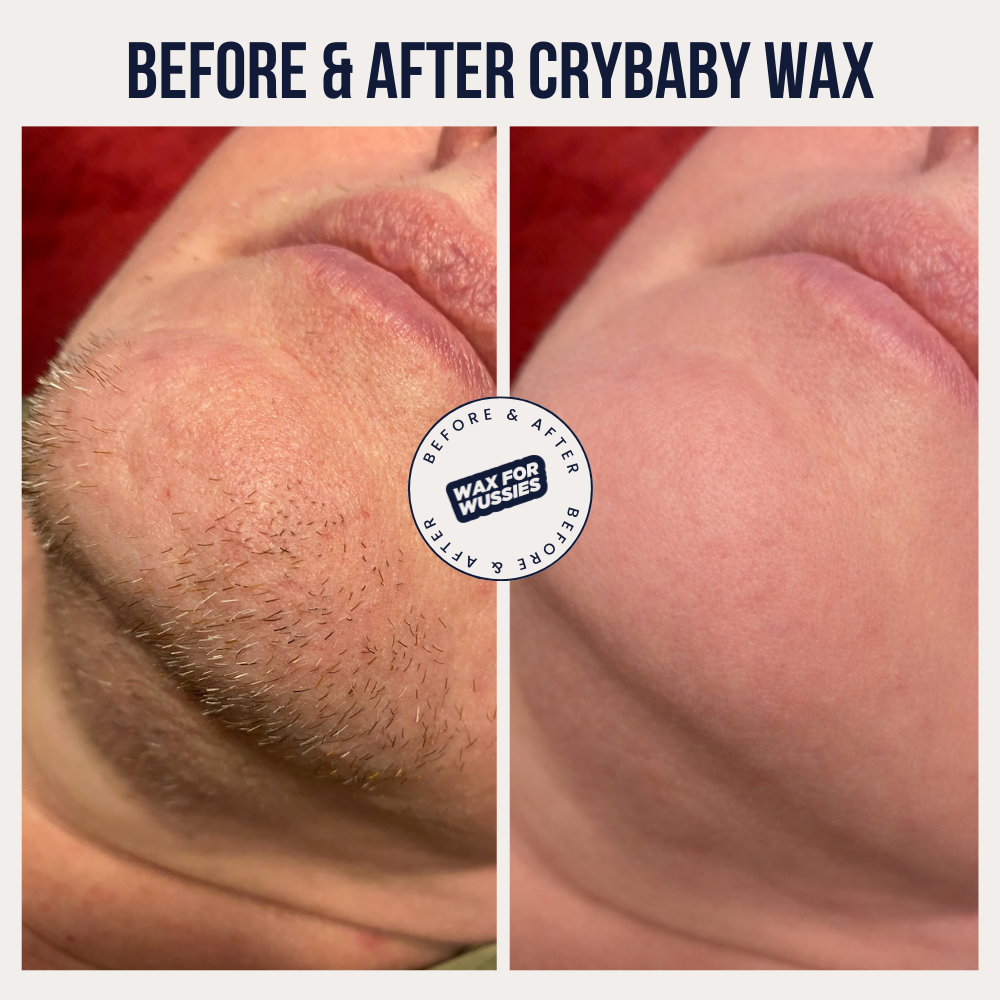
Check the wax warnings, patch test the intended area 24 hours ahead and wait for hair at least 1/4 inch long. Map the growth in each small chin section. After cleansing and drying, check wax texture and wrist temperature, apply with growth and let the outer edge become non-sticky. Hold skin taut and pull quickly against growth, low and parallel. Do not re-wax the same spot.
How do I wax my upper lip with hard wax?
Read the formula warnings and work only on permitted external upper-lip skin, away from the lips and mucous membranes. Patch test first and check wax temperature. Map each side separately, apply a small even strip with growth and leave a gripping edge. When the outer edge is no longer sticky, hold skin taut and pull quickly against growth, low and parallel. Ask a licensed esthetician if you cannot see or control the area.
How do I wax my neck without breakouts?
No technique or product can guarantee no breakouts. Do not wax inflamed or broken skin. Cleanse and fully dry the area, map the local growth and use small controlled strips. Apply with growth and remove against it. Use Just Cool It Calming Mango Gel on intact skin as directed. Keep Ride or Cry AHA Exfoliating Splash for between-session use, away from freshly waxed, irritated or broken skin. If also using finishing oil, apply gel first; You Big Softie contains sweet almond and soybean oils.
What direction does PCOS facial hair grow?
Direction varies by person and can change within the same area. The drawings show examples only. Run a clean fingertip over each small section: smoother is with growth, rougher is against it. Apply wax with that growth, then pull quickly against it while staying low and parallel to the skin.
How do I know when hard wax is the right temperature?
For the full-size Meltdown Machine, fully melt the wax, reduce its setting to 150 F, stir and allow cooling until it pours like honey. Test a small amount on your inner wrist: comfortably warm, never burning. If watery or too hot, let it cool and check again. The automatic Mini has no dial and a 0.5 oz maximum wax capacity. Stop using wax that smells burnt or looks scorched; do not scrape and reuse it.
Why is my wax not picking up the hair?
Check hair length, dry skin, wax texture and technique. Hair should be at least 1/4 inch, and skin clean and fully dry. Wax should pour like honey and feel comfortably warm on a wrist test. Apply an even layer with growth and leave a gripping edge. Wait for a non-sticky edge, then pull quickly against growth, low and parallel. Do not repeat a pass or add heat on the skin to chase missed hairs.
How do I avoid bruising when waxing my chin?
Check skin and product warnings first. Work in a small area you can see and control, hold skin taut and pull quickly against growth, low and parallel. Do not re-wax the same spot. These precautions cannot guarantee no bruising. Stop if skin burns, lifts, blisters or becomes increasingly painful, and seek medical advice for injury.
Should I trim PCOS facial hair before waxing?
Do not trim hair below 1/4 inch. If longer hair needs trimming for control, use a guarded trimmer or ask a professional rather than holding sharp scissors against facial skin. If hair is shorter than 1/4 inch, wait for more growth; a fixed three-day wait is not a reliable length check.
How long after waxing can I wear makeup?
Avoid immediate foundation on freshly waxed skin and wait until the area has settled. A fixed number of hours does not establish that every product is appropriate. Keep cosmetics off injured skin and do not use AHA splash immediately after waxing. Ask your treating clinician when to restart retinoids or other prescribed skin treatments.
How do I deal with patchy hair regrowth between waxes?
Let short hairs grow instead of re-waxing the same spot. Plan your next session when hair is at least 1/4 inch and the skin has fully settled. Do not shave daily or apply daily AHA to try to reset follicles. Waxing does not guarantee synchronized cycles, finer regrowth or permanent reduction; ask a clinician about new or changing hair growth.